

Creating your own Italian seasoning at home is a fantastic way to ensure you have a fresh and flavorful blend on hand for all your culinary needs. This mix of herbs and spices can elevate a variety of dishes, from pasta to roasted vegetables, and even grilled meats.
Some of the ingredients in this recipe, such as dried marjoram and dried sage, might not be as commonly found in every pantry. When heading to the supermarket, make sure to check the spice aisle for these less common herbs. They add unique flavors that are essential to achieving an authentic Italian seasoning blend.
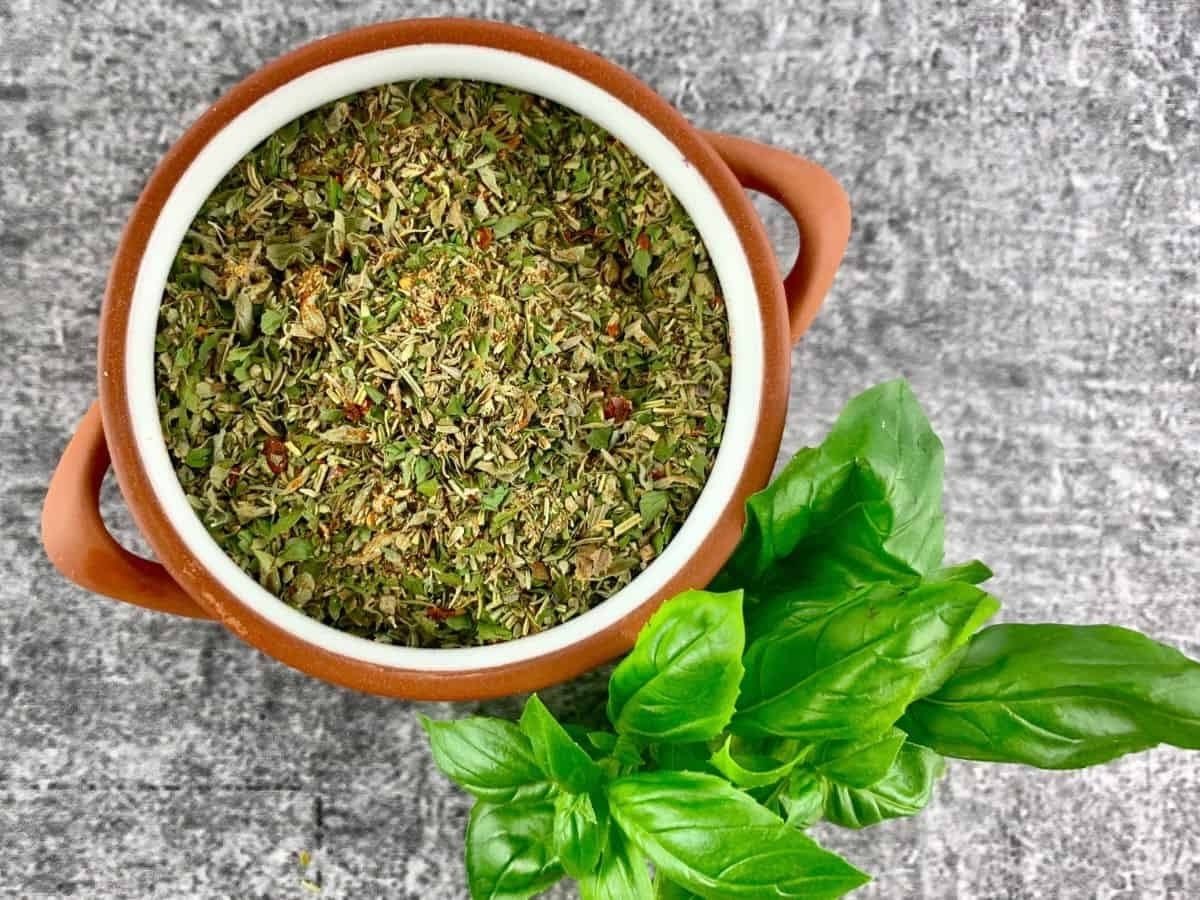
Ingredients For Italian Seasoning Recipe
Basil: A sweet and slightly peppery herb that adds a fresh, aromatic flavor.
Oregano: A robust herb with a slightly bitter taste, essential for Italian dishes.
Rosemary: A fragrant herb with a pine-like flavor, adding depth to the seasoning.
Thyme: A subtle herb with earthy and minty notes, balancing the blend.
Marjoram: A milder, sweeter cousin of oregano, contributing a delicate flavor.
Sage: An earthy herb with a slightly peppery taste, enhancing the overall mix.
Garlic powder: Adds a savory, pungent flavor that complements the herbs.
Onion powder: Provides a sweet and slightly sharp taste, rounding out the blend.
Red pepper flakes: Adds a touch of heat and spice to the seasoning.
Technique Tip for Perfect Seasoning
When mixing the dried herbs, ensure they are evenly distributed to maintain a consistent flavor profile. Use a whisk or your hands to break up any clumps, especially with garlic powder and onion powder. This will help the seasoning blend integrate smoothly into your dishes.
Suggested Side Dishes
Alternative Ingredients
dried basil - Substitute with dried parsley: Dried parsley provides a mild, slightly peppery flavor that can complement the other herbs in the mix.
dried oregano - Substitute with dried marjoram: Marjoram has a similar flavor profile to oregano but is milder and sweeter.
dried rosemary - Substitute with dried thyme: Thyme offers a similar earthy and slightly minty flavor that can replace rosemary in a pinch.
dried thyme - Substitute with dried savory: Savory has a peppery flavor that can mimic the taste of thyme.
dried marjoram - Substitute with dried oregano: Oregano has a stronger, more robust flavor but can serve as a good replacement.
dried sage - Substitute with dried tarragon: Tarragon has a slightly sweet and anise-like flavor that can replace sage.
garlic powder - Substitute with granulated garlic: Granulated garlic has a similar flavor but with a slightly different texture.
onion powder - Substitute with dried minced onion: Dried minced onion provides a similar onion flavor with a bit more texture.
red pepper flakes - Substitute with cayenne pepper: Cayenne pepper offers a similar heat level and can be used in smaller quantities.
Other Alternative Recipes Similar to This Seasoning
How to Store or Freeze Your Seasoning
- Ensure the Italian seasoning is completely dry before storing. Moisture can lead to clumping and spoilage.
- Use an airtight container to maintain freshness. Glass jars with tight-fitting lids are ideal.
- Store the container in a cool, dark place, such as a pantry or cupboard, away from direct sunlight and heat sources like the stove or oven.
- Label the container with the date of preparation. While dried herbs can last up to a year, they are best used within six months for optimal flavor.
- Avoid storing the seasoning near strong-smelling ingredients like coffee or spices with potent aromas, as they can affect the flavor.
- For long-term storage, consider vacuum-sealing the seasoning in small portions. This method can extend the shelf life significantly.
- If you prefer to freeze the seasoning, divide it into small, airtight freezer-safe bags or containers. This prevents the need to thaw the entire batch at once.
- When using frozen seasoning, allow it to come to room temperature before opening the container to avoid condensation, which can introduce moisture.
- Regularly check the seasoning for any signs of spoilage, such as discoloration or off smells, and discard if necessary.
- Keep the seasoning away from humidity-prone areas like above the sink or near the dishwasher to prevent moisture absorption.
How to Reheat Leftovers
- Preheat your oven to 350°F (175°C). Spread your leftover Italian seasoning mixture on a baking sheet. Heat for about 5 minutes to refresh the flavors. Keep an eye on it to avoid burning.
- If you prefer using a stovetop, place a small skillet over medium heat. Add your Italian seasoning and toast for 2-3 minutes, stirring frequently. This will help to release the essential oils and rejuvenate the spices.
- For a quick microwave method, place your Italian seasoning in a microwave-safe bowl. Heat on high for 10-15 seconds. This method is less effective but can work in a pinch.
- If you have a dehydrator, spread the Italian seasoning evenly on a tray. Set the dehydrator to a low temperature (around 95°F or 35°C) and let it run for about 30 minutes. This will help to remove any moisture and refresh the spices.
- To enhance the aroma and flavor, you can also add a few drops of olive oil to the Italian seasoning before reheating. This works particularly well when using the stovetop method.
Best Tools for Crafting Your Seasoning
Mixing bowl: Use this to combine all the dried herbs and spices together.
Measuring spoons: These are essential for accurately measuring out each ingredient to ensure the correct proportions.
Spoon: A spoon is needed to stir the ingredients together thoroughly.
Airtight container: Store your Italian seasoning in this to keep it fresh and flavorful for a longer period.
Funnel: This can help transfer the mixed seasoning into the airtight container without spilling.
How to Save Time on Making Your Seasoning
Pre-measure ingredients: Measure out all dried basil, dried oregano, and other spices in advance to save time during mixing.
Use a spice grinder: If you prefer a finer blend, quickly pulse the dried rosemary and other herbs in a spice grinder.
Batch preparation: Make a larger batch of Italian seasoning and store it in an airtight container for future use.
Label containers: Clearly label your storage container with the date and contents to avoid confusion later.
Use a funnel: Use a funnel to easily transfer the mixed seasoning into the storage container without spilling.
Italian Seasoning Recipe
Ingredients
Main Ingredients
- 2 tablespoon Dried Basil
- 2 tablespoon Dried Oregano
- 2 tablespoon Dried Rosemary
- 1 tablespoon Dried Thyme
- 1 tablespoon Dried Marjoram
- 1 tablespoon Dried Sage
- 1 teaspoon Garlic Powder
- 1 teaspoon Onion Powder
- 1 teaspoon Red Pepper Flakes
Instructions
- 1. Combine all ingredients in a mixing bowl.
- 2. Stir well to mix evenly.
- 3. Store in an airtight container.
Nutritional Value
Keywords
More Amazing Recipes to Try 🙂
- Banh Mi Recipe30 Minutes
- Marshmallow Treats Recipe20 Minutes
- Napa Cabbage Salad Recipe15 Minutes
- BBQ Chicken Breasts Recipe35 Minutes
- Sourdough Starter Recipe72 Hours
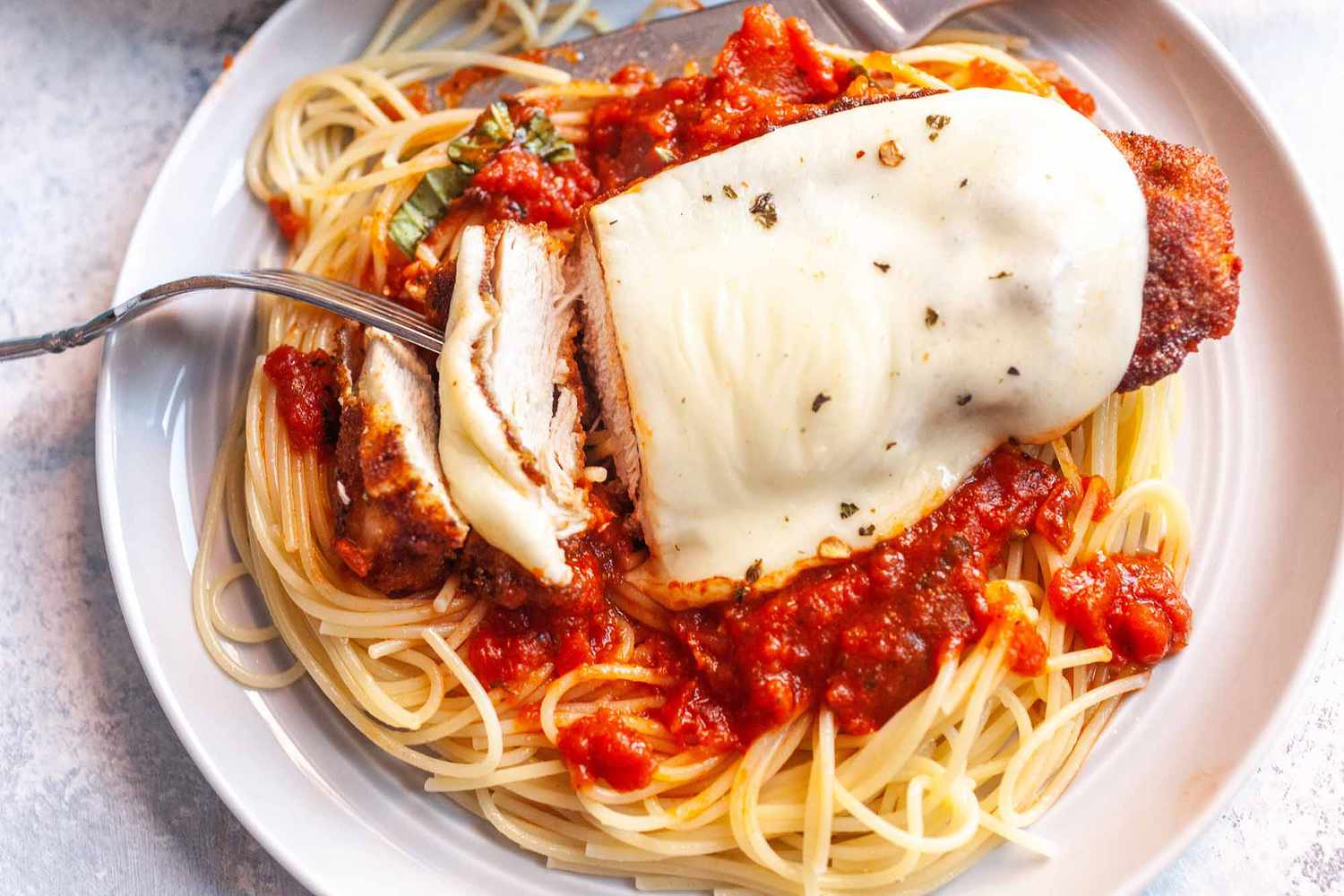
- Chicken Parmesan Recipe45 Minutes
- Traditional Welsh Rarebit Recipe25 Minutes
- Chicken and Noodles Recipe45 Minutes



Leave a Reply