

Creating sourdough bread at home is a rewarding experience that combines the art of baking with the science of fermentation. This recipe will guide you through the process of making a delicious, crusty loaf with a tender crumb, perfect for sandwiches or enjoying with a spread of butter.
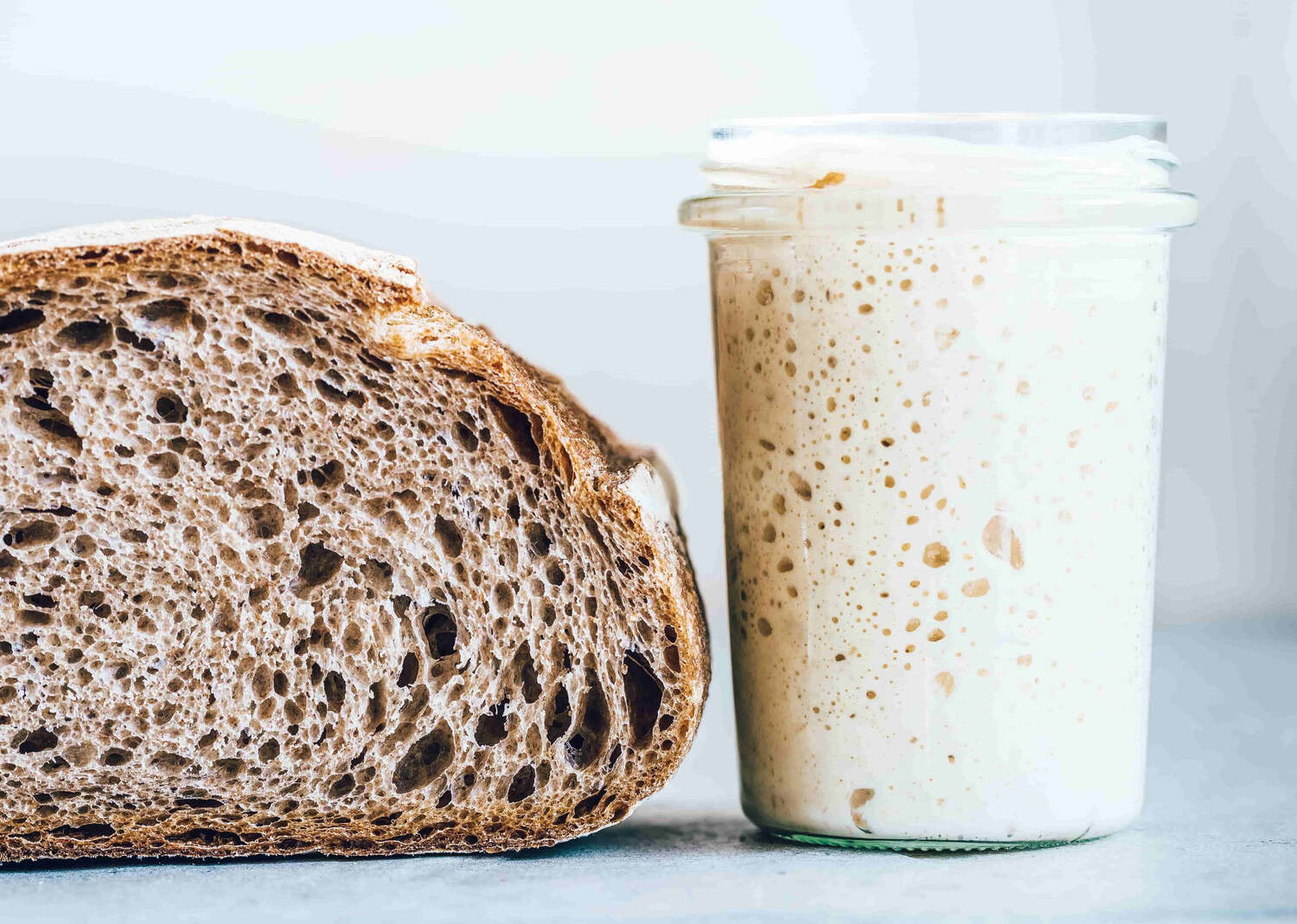
One of the key ingredients in this recipe is the sourdough starter, which may not be commonly found in every household. If you don't already have an active and bubbly sourdough starter, you can either make one from scratch using flour and water over several days or purchase one from a specialty store or online. Additionally, using high-protein bread flour is crucial for achieving the best texture and rise in your loaf.
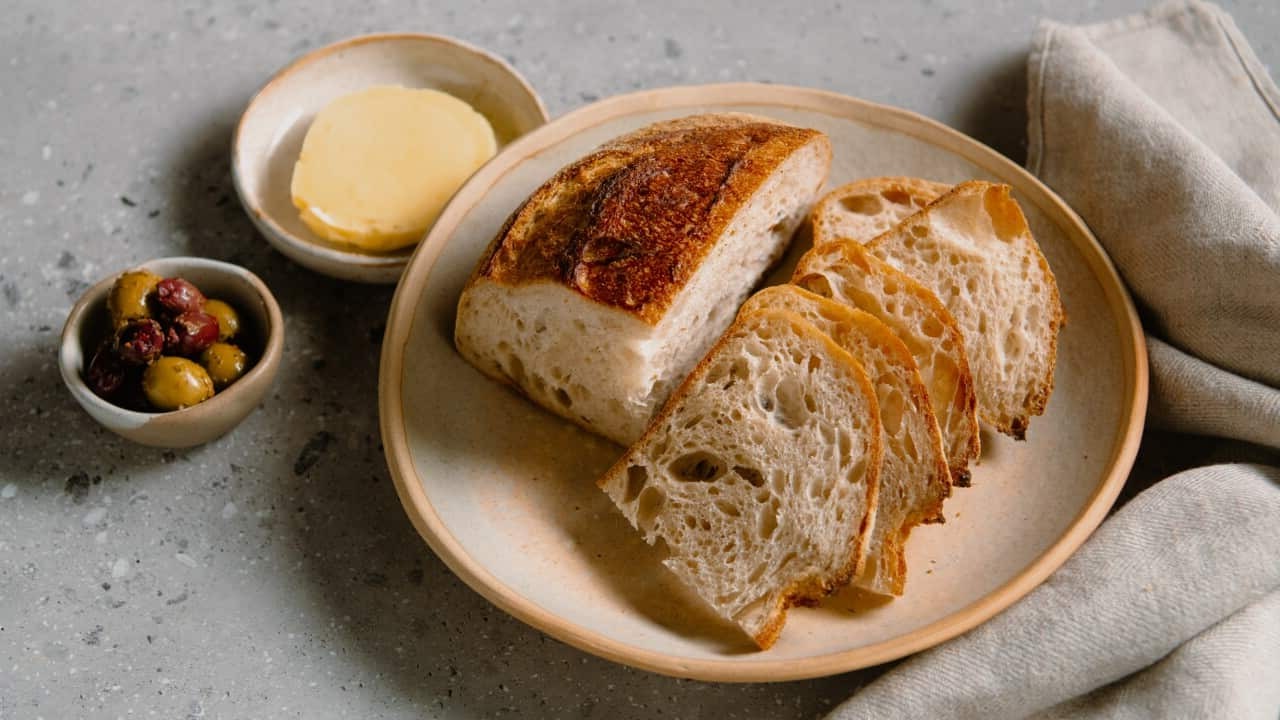
Ingredients For Sourdough Bread Recipe
Bread flour: This high-protein flour is essential for developing the gluten structure needed for a good rise and chewy texture.
Water: Room temperature water helps to activate the sourdough starter and hydrate the flour.
Sourdough starter: An active and bubbly starter is crucial for fermentation and leavening of the dough.
Salt: Enhances the flavor of the bread and helps to strengthen the gluten structure.
Technique Tip for Sourdough Bread
When performing the stretch and folds, make sure to wet your hands slightly to prevent the dough from sticking. This technique helps to develop the gluten structure, resulting in a better crumb and rise.
Suggested Side Dishes
Alternative Ingredients
high-protein bread flour - Substitute with whole wheat flour: Whole wheat flour adds a nutty flavor and provides more fiber, though it may result in a denser loaf.
high-protein bread flour - Substitute with spelt flour: Spelt flour has a slightly sweet and nutty flavor, and while it has less gluten, it can still create a good rise in sourdough.
room temperature water - Substitute with filtered water: Filtered water ensures no chlorine or impurities interfere with the fermentation process.
active and bubbly sourdough starter - Substitute with commercial yeast: Use 1 teaspoon of commercial yeast mixed with a bit of sugar and water to mimic the leavening effect, though it won't have the same depth of flavor as a sourdough starter.
salt - Substitute with sea salt: Sea salt can enhance the flavor of the bread and provide trace minerals.
Other Alternative Recipes Similar to Sourdough
How to Store / Freeze Your Sourdough
Allow the sourdough bread to cool completely on a wire rack before storing. This prevents condensation from forming inside the storage container, which can make the crust soggy.
For short-term storage, place the bread in a paper bag or wrap it in a clean kitchen towel. This helps maintain the crust's crispiness while keeping the interior soft.
If you prefer a softer crust, store the bread in a plastic bag or an airtight container. This will keep the bread moist but may soften the crust.
For longer storage, slice the sourdough bread before freezing. This allows you to take out only the slices you need, reducing waste.
Wrap each slice or the whole loaf tightly in plastic wrap or aluminum foil. This prevents freezer burn and keeps the bread fresh.
Place the wrapped bread in a resealable freezer bag or an airtight container. Label it with the date to keep track of its freshness.
When ready to use, thaw the bread at room temperature. For a quick thaw, you can use a microwave on a low setting, but be cautious not to overheat and dry out the bread.
To refresh the crust, preheat your oven to 350°F (175°C) and bake the thawed bread for 5-10 minutes. This will restore its crispiness and make it taste freshly baked.
For individual slices, you can toast them directly from the freezer. This is a convenient option for quick breakfasts or snacks.
Avoid storing sourdough bread in the refrigerator, as it can dry out the bread and make it stale faster.
How to Reheat Leftovers
Preheat your oven to 350°F (175°C). Wrap the sourdough bread in aluminum foil to prevent it from drying out. Place it directly on the oven rack and heat for about 10-15 minutes, or until warmed through.
For a crispier crust, unwrap the bread from the foil during the last 5 minutes of reheating. This will allow the crust to regain its delightful crunch.
If you're in a hurry, you can use a toaster oven. Set it to 350°F (175°C) and place the sourdough bread slices directly on the rack. Toast for about 5-7 minutes, checking frequently to avoid over-toasting.
For a quick and easy method, use a microwave. Place a damp paper towel over the bread to keep it from drying out. Microwave on medium power for about 10-20 seconds. Note that this method may not retain the crust's crispiness.
If you have a steamer, you can steam the sourdough bread for a few minutes. This method will keep the bread moist and soft, making it perfect for sandwiches.
For an extra touch of flavor, lightly brush the bread with olive oil or garlic butter before reheating in the oven or toaster oven. This will add a delicious aroma and enhance the taste.
If you have a panini press, you can reheat the sourdough bread by pressing it for a few minutes until it's warm and slightly crispy. This method is great for making quick sandwiches.
For a stovetop method, heat a skillet over medium heat. Place the bread slices in the skillet and cover with a lid. Heat for about 2-3 minutes on each side, or until warmed through and slightly crispy.
Best Tools for Baking Sourdough
Mixing bowl: A large container used to combine and mix the flour and water, and later the sourdough starter and salt.
Measuring scale: Essential for accurately measuring the flour, water, sourdough starter, and salt to ensure the correct proportions.
Proofing basket: A basket used to hold the dough as it rises, helping it maintain its shape and develop a beautiful texture.
Dutch oven: A heavy-duty pot with a lid that creates a steamy environment for the bread, resulting in a crispy crust.
Sharp knife: Used to score the top of the dough before baking, allowing the bread to expand properly in the oven.
Wire rack: A cooling rack that allows air to circulate around the bread, helping it cool evenly and preventing a soggy bottom.
Kitchen towel: Useful for covering the dough during the resting and rising periods to prevent it from drying out.
Bench scraper: Handy for handling and shaping the dough, making it easier to perform stretch and folds.
Oven mitts: Essential for safely handling the hot Dutch oven when transferring the dough and during baking.
Timer: Important for keeping track of the resting, rising, and baking times to ensure the bread is prepared correctly.
Sourdough Bread Recipe
Ingredients
Main Ingredients
- 500 g Bread Flour Preferably high-protein
- 300 g Water Room temperature
- 100 g Sourdough Starter Active and bubbly
- 10 g Salt
Instructions
- 1. In a large mixing bowl, combine the flour and water. Mix until just combined. Let it rest for 30 minutes.
- 2. Add the sourdough starter and salt to the dough. Mix well until fully incorporated.
- 3. Perform a series of stretch and folds every 30 minutes for 2 hours.
- 4. Shape the dough into a round and place it in a floured proofing basket. Let it rise for 3-4 hours or until doubled in size.
- 5. Preheat your oven to 450°F (230°C) with a Dutch oven inside.
- 6. Carefully transfer the dough to the preheated Dutch oven. Score the top of the dough with a sharp knife.
- 7. Bake for 20 minutes with the lid on, then remove the lid and bake for another 25 minutes or until the crust is golden brown.
- 8. Let the bread cool completely on a wire rack before slicing.
Nutritional Value
Keywords
More Amazing Recipes to Try 🙂
- Banh Mi Recipe30 Minutes
- Marshmallow Treats Recipe20 Minutes
- Napa Cabbage Salad Recipe15 Minutes
- BBQ Chicken Breasts Recipe35 Minutes
- Sourdough Starter Recipe72 Hours
- Chicken Parmesan Recipe45 Minutes
- Traditional Welsh Rarebit Recipe25 Minutes
- Chicken and Noodles Recipe45 Minutes








Leave a Reply